
Managing municipal AI FOIA records retention has become an urgent legal challenge for city clerks, municipal attorneys, and local government IT directors. When city staff use commercial language models or municipal chatbots to draft policy memos, summarize public testimony, or review vendor contracts, both the input prompts and the generated outputs become official public records under state open records legislation. Failure to preserve these digital interactions exposes local municipalities to public records lawsuits, mandatory legal fee awards, and formal allegations of unlawful records destruction.
Local governments cannot treat machine learning prompts as ephemeral personal thoughts. Under Freedom of Information Act principles and state sunshine laws, any digital material created, received, or maintained in connection with the transaction of public business qualifies as an official public record.
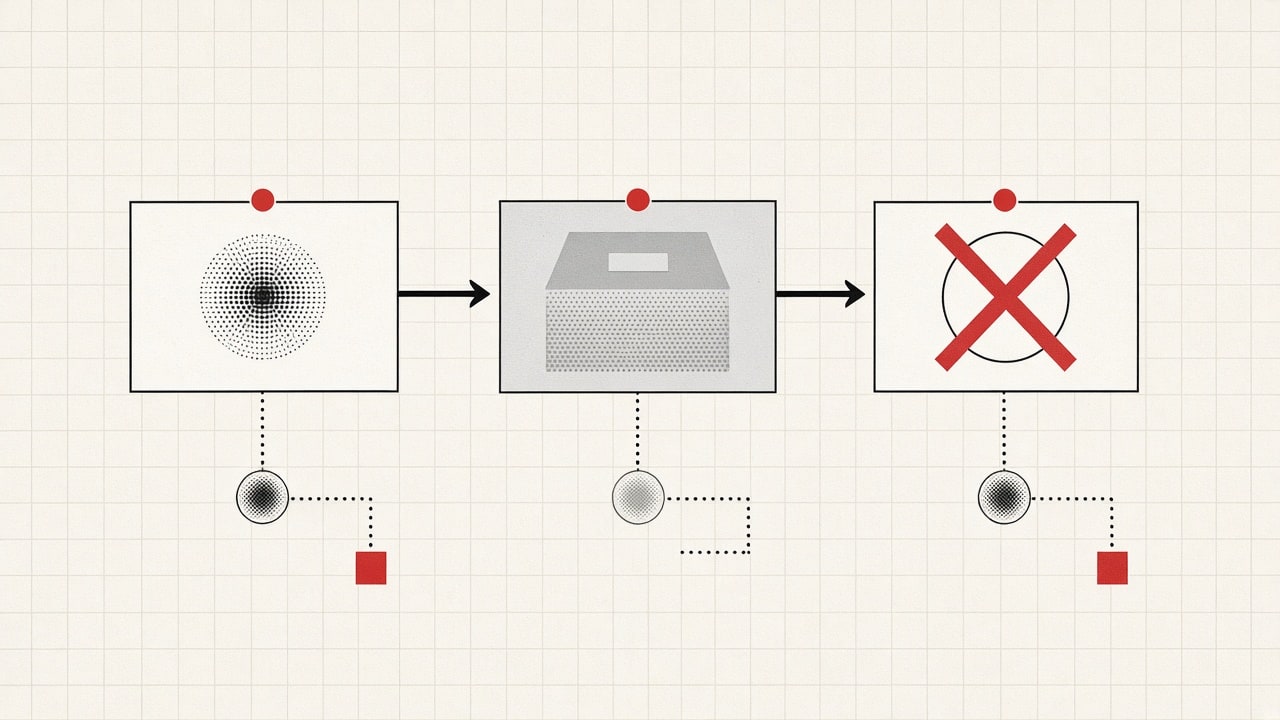
When an administrative staffer opens a web browser, logs into a commercial chat platform, and types a prompt seeking advice on rezoning disputes, that text exchange documents the reasoning behind municipal governance. If a citizen files a broad records request for staff deliberations, the municipality must either produce that chat transcript or demonstrate that it complied with an approved records disposition schedule.
For municipal leadership seeking broader governance strategies, pair this analysis with our guide on how municipalities can use AI for efficient operations, our detailed review of small business AI governance frameworks, and our technical playbook on shadow AI risk in modern organizations. For statutory context, review the guidelines maintained by the American Bar Association Section of State and Local Government Law.
Are AI Prompts and Chat Outputs Considered Public Records under FOIA?
The legal consensus among state attorneys general and open government coalitions is unequivocal: yes, artificial intelligence prompts and their corresponding outputs are public records whenever they relate to public business.
Statutory definitions of a public record in states like Florida, California, Texas, and Washington do not turn on the medium used. Instead, they turn on content and purpose. If an employee uses an artificial intelligence tool on a personal laptop or a municipal desktop to draft a staff report, summarize zoning board objections, or evaluate police department overtime shifts, that text was prepared for use in official business.
| Statutory Legal Factor | Open Records Standard (FOIA / Public Records Act) | Municipal AI Application | Legal Disclosure Verdict |
|---|---|---|---|
| Agency Authorship | Created by public employee, elected official, or designated contractor | Staff prompt submitted to cloud model on city time/hardware | Met: Agency-generated work product |
| Substantive Subject | Transacts, discusses, or deliberates municipal business | Drafting zoning variance analysis, police shifts, or budget memo | Met: Official public transaction |
| Custodial Storage | Possessed or controlled on public server, cloud vendor, or device | Cloud vendor database log, browser cache, or network proxy | Met: Subject to constructive custody |
| Spoliation Risk | Unlawful destruction of public records before retention expiry | 30-day consumer account auto-deletion without city archive | Violation: Inadvertent records spoliation |
The core administrative trap is the misconception of ephemerality. Many department heads assume that closed browser tabs delete transient work. In practice, commercial cloud providers store user prompts on remote servers, retain logs for model safety evaluations, or wipe conversations after thirty days. When a municipality fails to capture and archive those logs, and a subsequent public records request arrives, the municipality faces immediate charges of illegal records spoliation.
How Do Municipal Retention Schedules Apply to Generative AI Tools?
Municipal records retention schedules establish how long specific categories of government documents must be preserved before lawful destruction. Applying these schedules to conversational tools requires categorizing AI interactions based on substantive legal value.
State archives and municipal records management guidelines generally recognize three functional tiers of public communications:
| Record Classification | Functional Definition | Typical Retention Period | Municipal AI Example |
|---|---|---|---|
| Transitory Records | Temporary notes, formatting adjustments, routine scheduling requests. | Retain until administrative value ceases (0 to 30 days). | Asking a model to fix punctuation or reformat an approved public table into bullet points. |
| General Administrative Records | Internal staff research, draft proposals, interdepartmental correspondence. | Retain for 3 to 5 years per municipal schedule. | Generating a comparative analysis of local stormwater utility rates across peer cities. |
| Permanent Policy Records | Final ordinances, formal council resolutions, executive directives, legal briefs. | Permanent municipal archive. | Prompts used to generate statutory language for a proposed short-term rental ban. |
Treating every prompt as a permanent record creates unmanageable data bloat, while treating every interaction as transitory invites sanctions from civil courts. Municipalities must update their general records schedules with clear operational definitions distinguishing preliminary mechanical formatting from policy drafting.
What Happens When a City Attorney Inputs Confidential Data into an AI Tool?
The sharpest malpractice risk in municipal administration occurs when city attorneys or executive staff input confidential or privileged material into third-party commercial systems.
Under standard legal doctrine, the attorney-client privilege protects private communications between legal counsel and their municipal client. Privilege is waived when confidential communications are disclosed to a third party without a valid non-disclosure agreement and a reasonable expectation of privacy.

When a city attorney pastes draft litigation tactics, ongoing labor union dispute notes, or executive session minutes into a public consumer tool, that disclosure destroys legal confidentiality:
- Third-Party Transmission: The raw text traverses external corporate application programming interfaces.
- Model Training Exposure: Free consumer tiers frequently reserve the right to review prompts for human safety evaluation or use inputs to retrain foundational models.
- Loss of Confidentiality Expectation: Courts have ruled that users possess no reasonable expectation of privacy when pasting proprietary data into commercial platforms that openly state inputs may be reviewed.
- FOIA Exposure: Once attorney-client privilege is pierced, opposing litigation counsel can file a public records request demanding the city produce the full chat transcript.
Municipalities must establish enterprise licenses that enforce zero-data-retention agreements, disable model training on municipal prompts, and explicitly prohibit staff from uploading documents originating from executive closed sessions.
The Danger of Shadow AI in City Administration
Shadow artificial intelligence refers to the unsanctioned use of commercial generative software by municipal employees without IT authorization, data security oversight, or centralized archiving.
In a typical mid-sized city, public works personnel use web chat tools to draft asphalt repair specifications, human resources staff paste employee grievances into language models to balance tone, and code enforcement officers summarize neighbor disputes using consumer mobile applications. Because these activities bypass municipal single sign-on (SSO) and central email archiving systems, the city has no record that the conversations ever occurred.
When an investigative journalist or adverse litigant subpoenas all digital records relating to a controversial personnel dismissal or an infrastructure procurement contract, the city risks producing incomplete disclosures. If subsequent discovery reveals that employees used personal chat accounts to draft the disputed documents, the municipality faces mandatory statutory penalties, court-ordered forensic device audits, and severe reputational damage.
Technical Architecture for Compliant Municipal AI Retention
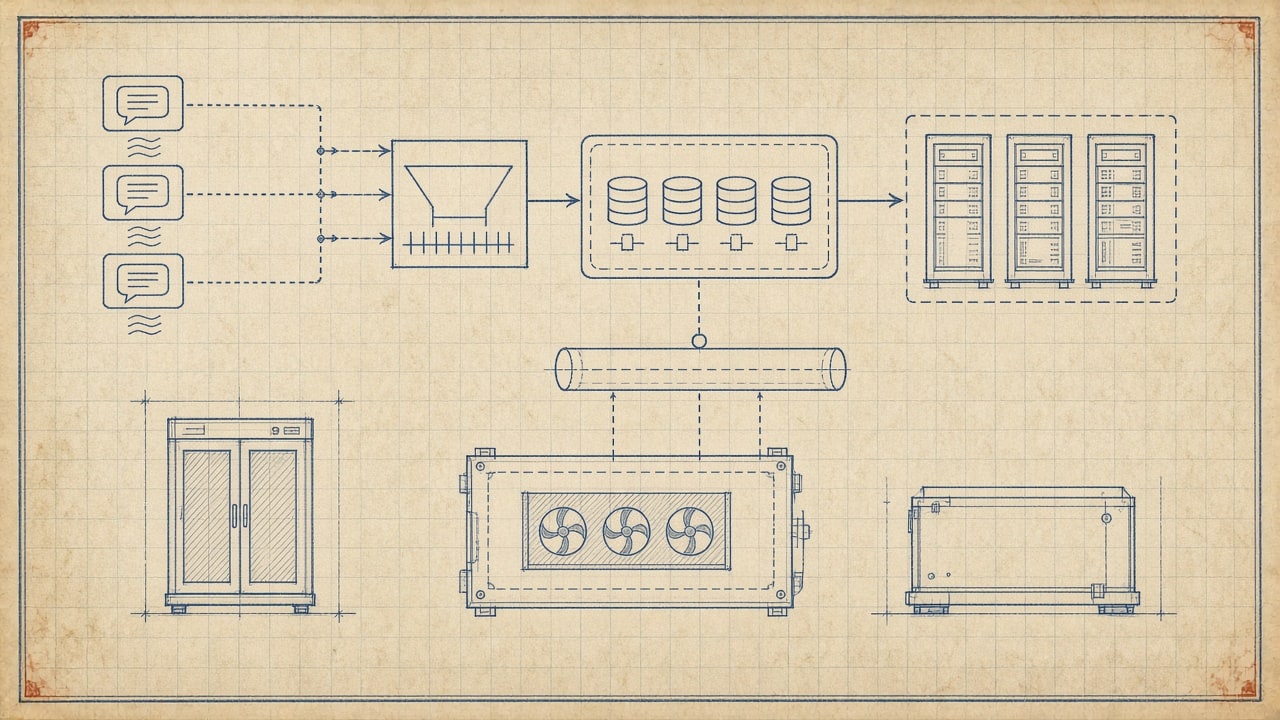
To maintain strict compliance with state public records mandates without barring administrative staff from productivity gains, city IT departments must deploy centralized proxy architectures.

A compliant municipal artificial intelligence architecture consists of four distinct technical layers:
1. Centralized Identity and Single Sign-On (SSO)
All municipal personnel must access generative tools through corporate identity providers such as Microsoft Entra ID or Google Workspace. Consumer logins using personal email addresses are blocked at the perimeter firewall via secure web gateways and DNS filtering.
2. Full-Fidelity Prompt and Output Logging
The enterprise gateway captures every outgoing prompt, incoming response, model version, timestamp, and user identifier. These immutable logs flow directly into the city’s central electronic document and records management system (EDRMS), where retention schedules are applied programmatically.
{
  "retention_event_id": "edrms_log_2026_9941a",
  "ingest_timestamp": "2026-10-14T11:15:32Z",
  "employee_identity": {
    "user_principal_name": "[email protected]",
    "department": "Planning and Community Development",
    "directory_id": "usr_aad_8829104",
    "ip_address": "10.240.12.88"
  },
  "interaction_payload": {
    "prompt_text_sha256": "8f3b20c4e12a987d3a01492d...",
    "substantive_category": "GENERAL_ADMINISTRATIVE",
    "statutory_schedule_code": "GS-01-SERIES-14",
    "mandated_retention_years": 5,
    "disposition_eligibility_date": "2031-10-14",
    "pii_redaction_status": {
      "scanned_for_ssn": true,
      "scanned_for_hipaa": true,
      "redacted_entities_count": 0
    }
  },
  "foia_indexing_metadata": {
    "searchable_keywords": ["stormwater", "utility rates", "rate study 2026"],
    "custodian_mailbox": "[email protected]",
    "worm_archive_urn": "urn:edrms:archive:vol4:batch_202610_0042",
    "ediscovery_export_ready": true
  }
}
3. Automated PII and Redaction Scrubbing
Before a prompt leaves the municipal boundary, a local pattern-matching filter checks the text for social security numbers, taxpayer identification numbers, juvenile names, and protected health information. If sensitive data is detected, the gateway halts transmission and notifies the user.
4. Direct E-Discovery and FOIA Export
When the city clerk receives a public records request for digital communications concerning a specific topic, the records management portal queries the central prompt repository using keyword, date, and user filters. The system generates a cryptographically stamped, exportable PDF report suitable for legal production.
Municipal AI Records Retention Compliance SOP
City clerks, municipal attorneys, and civic IT directors should establish an open-records compliance workflow across four operational phases:
Phase 1: Policy Codification and Administrative Classification
- Enact a formal administrative AI policy establishing that all algorithmic prompts transacting public business constitute public records.
- Update municipal general records schedules with dedicated series defining retention windows for transitory versus substantive prompts.
- Prohibit municipal staff from utilizing personal consumer accounts or unmanaged mobile applications for civic correspondence.
Phase 2: Gateway Logging and Cloud Vendor Contract Hardening
- Route all employee generative traffic through an authenticated enterprise proxy integrated with municipal single sign-on (SSO).
- Capture full-fidelity prompt and output telemetry with immutable timestamps, user IDs, and department metadata.
- Execute enterprise vendor agreements enforcing zero-data-retention, zero-model-retraining, and explicit non-disclosure covenants.
Phase 3: PII Interception and Executive Session Isolation
- Configure client-side proxy filters to intercept and scrub taxpayer Social Security numbers, juvenile identifiers, and protected health information.
- Establish technical and administrative firewalls barring staff from uploading closed-session minutes or privileged litigation files.
- Deliver mandatory annual records custodian training clarifying public records obligations for generative software.
Phase 4: EDRMS Integration and E-Discovery Export Workflows
- Stream serialized prompt logs into the municipality’s electronic document and records management system (EDRMS) with automated retention locks.
- Implement unified e-discovery indexing allowing city clerks to search AI repositories by employee, date range, and keyword query.
- Maintain cryptographically signed audit logs verifying that records disposition follows statutory council authorization.
Conclusion
Artificial intelligence offers valuable administrative support for city halls managing tight budgets and staffing shortages. However, operational gains cannot come at the expense of statutory transparency. Municipalities that deploy generative systems without records retention governance risk costly legal sanctions and public distrust. By implementing centralized logging gateways, updating municipal retention schedules, and establishing clear boundaries around privileged communications, local governments can protect citizen transparency while keeping their public records operations fully defensible in court.
Need defensible AI records governance for your municipality?
Veduis helps municipal administrators, city clerks, and local government IT directors implement compliant gateway architectures, audit shadow AI, and safeguard public records integrity.