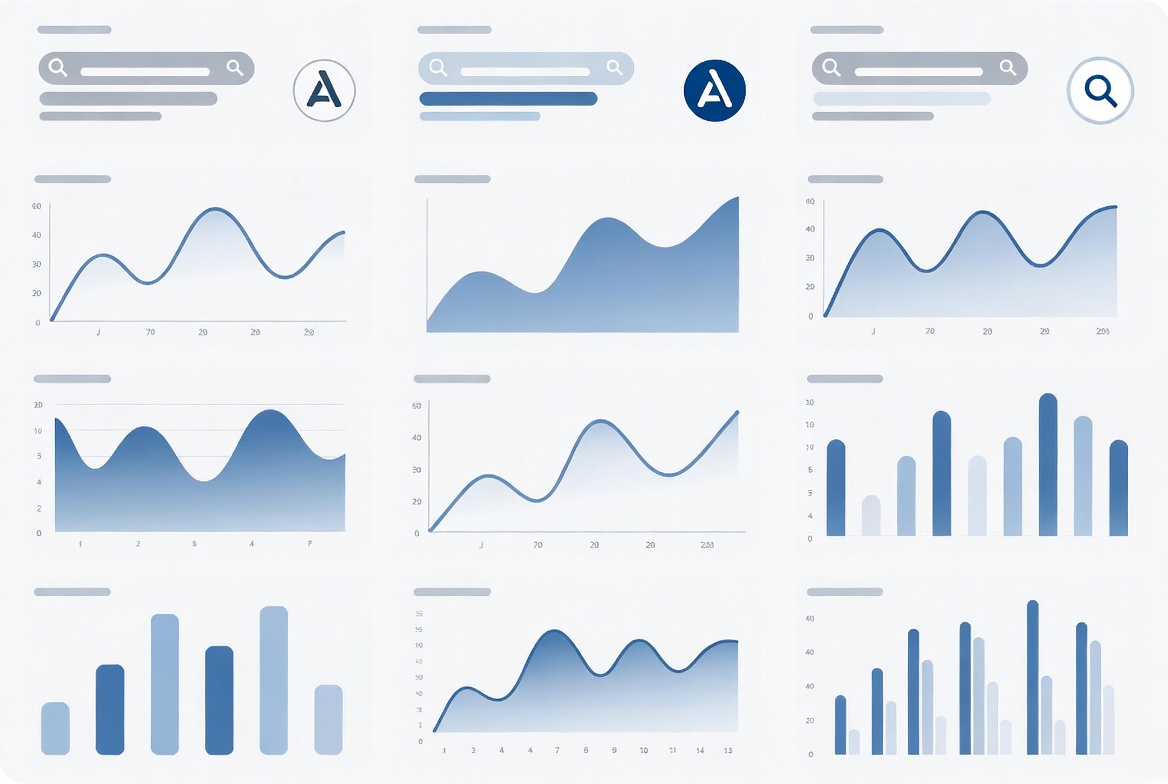
Search is splitting. More people now get answers directly from ChatGPT, Perplexity, Gemini, and Bing Copilot without clicking a traditional result page. This shift creates a new optimization discipline: Generative Engine Optimization, or GEO. Instead of fighting for position one on a blue link list, GEO is about becoming the source AI engines quote in their answers.
GEO is not a replacement for SEO. It is a layer on top of it. The same content can rank in Google and get cited by AI assistants if it is structured, factual, and authoritative. This guide explains what actually moves the needle in 2026.
What GEO Actually Means
Generative Engine Optimization is the practice of making your content easy for large language models to understand, trust, and cite. Traditional SEO rewards pages that match keyword intent and accumulate authority signals. GEO rewards content that answers specific questions clearly, supports claims with evidence, and fits into a broader topical structure.
AI engines do not browse the web like humans. They retrieve chunks of text from indexed sources, rank those chunks by relevance and credibility, and synthesize an answer. Your goal is to produce the chunks they want to retrieve.

Why GEO Matters in 2026
By mid-2026, an estimated 20 to 25 percent of searches happen inside AI interfaces. That percentage is higher for research-heavy queries, comparisons, and how-to questions. For businesses, this means a growing share of discovery traffic may never touch a traditional search result.
The upside is that AI citations can drive qualified visitors. Someone who asks Perplexity “what is the best CRM for a small sales team” and sees your brand cited is more likely to trust you than someone scanning ten blue links. The downside is that if AI engines never cite you, you become invisible to that audience.
Structure Content for AI Retrieval
AI engines prefer content that is easy to parse. Clear structure helps them extract the right answer.
Use descriptive headings. Headings act like signposts. A heading like “What GEO Means for Content Strategy” is more useful than “The Future of Search.”
Answer the question early. State the core answer in the first one to two paragraphs under a relevant heading. Do not bury the answer under paragraphs of context.
Use lists and tables. AI retrieval systems handle structured formats well. Steps, comparisons, pros and cons, and feature lists are more likely to be quoted.
Define terms explicitly. If you introduce an acronym or concept, define it in the same sentence. AI models quote clear definitions more often than ambiguous ones.
Separate opinion from fact. Claims with supporting data, citations, or examples are more likely to be trusted than unsupported assertions.

Build Topical Authority, Not Keyword Pages
AI engines evaluate whether your site is a credible source on a topic. One shallow page will not make you an authority. A cluster of related, interlinked content will.
For example, if you want to be cited for CRM advice, you should have content covering CRM selection, implementation, automation, integrations, and common mistakes. Each piece links to the others. This signals depth.
Our guide to search intent analysis explains how to build topical clusters that work for both traditional search and AI retrieval.
Add Citations and Sources
AI engines are trained to prefer content that cites credible sources. You do not need academic footnotes, but you should link to:
- Original research and industry reports
- Official documentation
- Reputable news outlets
- Data sources that support your claims
- Your own primary research or case studies
When you quote a statistic, name the source. When you compare tools, link to their official pricing or feature pages. These citations make your content more quotable.
Target Conversational Queries
People ask AI engines questions in natural language. They type or speak full sentences like “how do I reduce my website loading time” instead of “website speed optimization.”
To capture these queries:
- Include FAQ sections with direct answers
- Use question-based headings
- Write in a conversational but precise tone
- Cover related follow-up questions in the same article
Voice search optimization overlaps here. Our guide to voice search optimization covers how to structure content for spoken queries.
Make Your Brand Mentionable
AI engines cite brand names they recognize from trusted contexts. Increase your brand’s quotability by:
- Being mentioned in industry publications and directories
- Earning reviews on G2, Capterra, Trustpilot, and Google
- Publishing original research or data
- Appearing in expert roundups and podcasts
- Building a strong About page that explains who you are
Brand mentions across the web act as authority signals. The more a model sees your name in credible contexts, the more likely it is to cite you.
Use Schema Markup
Schema markup helps search engines and AI systems understand what your content is about. In 2026, schema is considered necessary infrastructure for AI-driven search.
Useful schema types include:
- Article and BlogPosting
- FAQPage
- HowTo
- Organization and Person
- Product and Review
- LocalBusiness
- BreadcrumbList
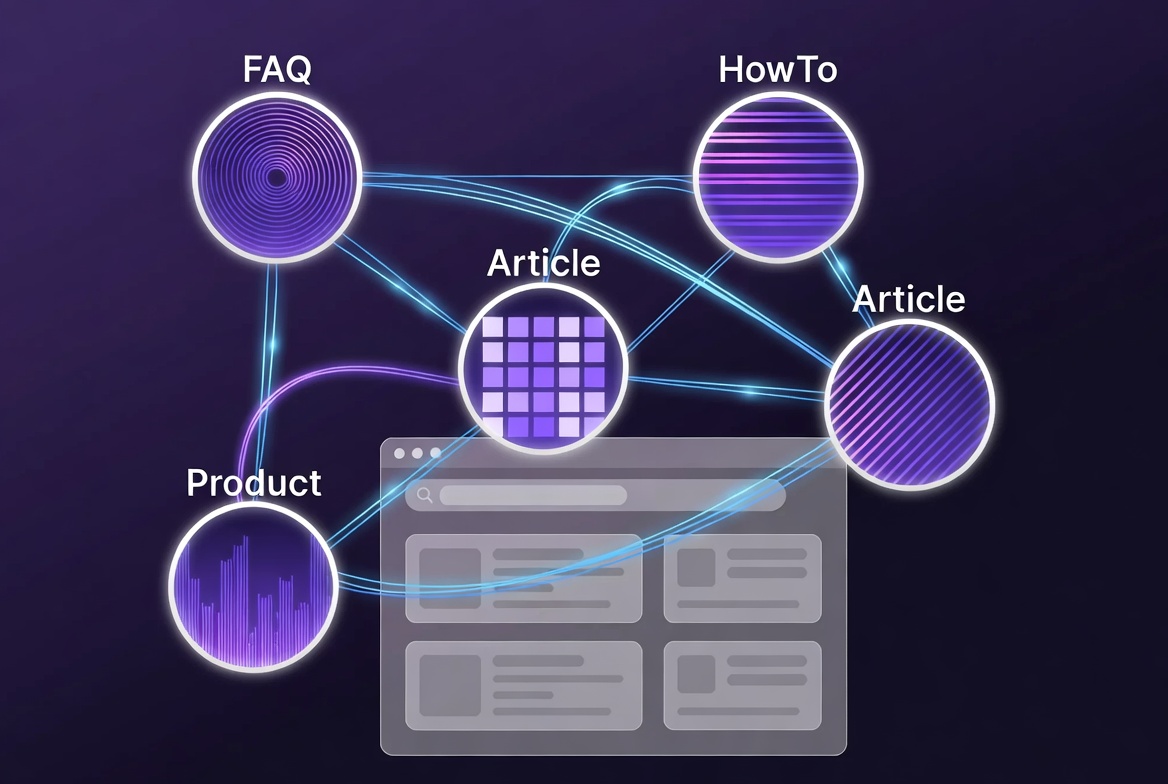
Pages with proper schema achieve higher click-through rates and better visibility in AI Overviews. If you are new to structured data, our guide to the technical SEO audit checklist walks through the basics.
Monitor Your AI Visibility
Track whether AI engines are citing your brand. You can manually test by asking ChatGPT, Perplexity, and Gemini questions related to your topic and noting whether your content appears.
Several tools now offer AI citation tracking. While the methodologies are still evolving, they can help you spot trends. Combine these with traditional SEO metrics like impressions, rankings, and referral traffic from AI platforms.

Avoid Common GEO Mistakes
Writing for machines instead of humans. AI engines prefer content that real people find useful. Keyword stuffing and artificial structures hurt both SEO and GEO.
Ignoring traditional SEO. GEO sits on top of SEO. If your site is not crawlable, fast, and authoritative, AI engines will struggle to find and trust your content.
Chasing every AI platform. Focus on the platforms your audience uses. For B2B, that is often ChatGPT, Perplexity, and Gemini. For consumer brands, it may include TikTok search and YouTube.
Failing to update content. AI engines favor current information. Outdated statistics, broken links, and old screenshots reduce your chances of being cited.
Connect GEO to Your AI Strategy
GEO is one part of a broader AI strategy. If you are also using AI for content creation, customer support, or automation, make sure those systems produce accurate, on-brand content. Inconsistent information across channels confuses both humans and AI models.
If you need help aligning your content, SEO, and AI systems, our AI consultation services can assess your current setup and recommend a practical roadmap.
Conclusion
Generative Engine Optimization is the new layer of search strategy. The businesses that win will be the ones whose content is structured, cited, and authoritative enough to be quoted by AI engines. Start by improving clarity, adding evidence, building topical clusters, and using schema markup. GEO does not replace SEO. It extends it into the answer-based search environments that are becoming the default for many users.